The International Labour Organization (ILO) estimates that women’s wages remain, on average, 20% lower than men’s, and representation in management positions continues to lag behind. Even so, the fact that equality is now firmly part of the public debate reflects growing social awareness and a clear push for change.
Gender diversity is a driver of competitiveness: it expands the available talent pool and strengthens organizations as they navigate increasingly complex environments. Although women’s participation in the workforce is now well established across most sectors, the main challenge lies in their access to leadership positions—despite the fact that women often have higher levels of education than men.
In this context, companies play a key role, and in fact, many are already promoting equality plans and work-life balance measures. Workplace flexibility is essential, but it is equally important that men also make use of these tools. Otherwise, they risk becoming an unintended barrier for women rather than a step toward genuine equality of opportunity.
Talent without labels
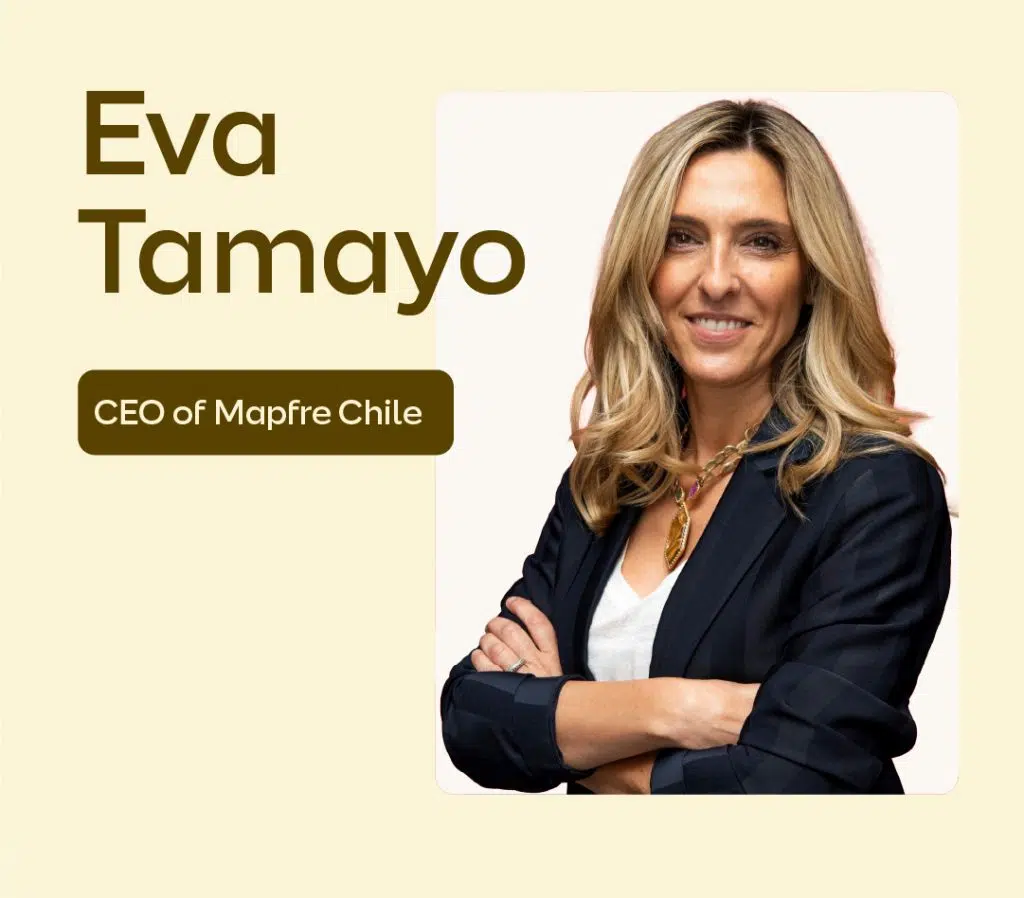
“I consider myself fortunate because, in my professional environment, I’ve had many opportunities for growth and leaders who believe in talent without labels.” That is the view of Eva Tamayo, CEO of Mapfre in Chile, who acknowledges that this does not mean barriers do not exist. “We all face them at different times, but I’ve seen a very positive evolution, thanks to the work of many women who paved the way.” She also notes that when she has encountered obstacles, she has addressed them through consistent effort, preparation, and strong networks built on trust and collaboration. “Senior management brings constant challenges—making complex decisions, managing uncertainty, and taking on responsibility. I’ve been able to overcome them through preparation and continuous learning. Leadership is always a collective achievement.”
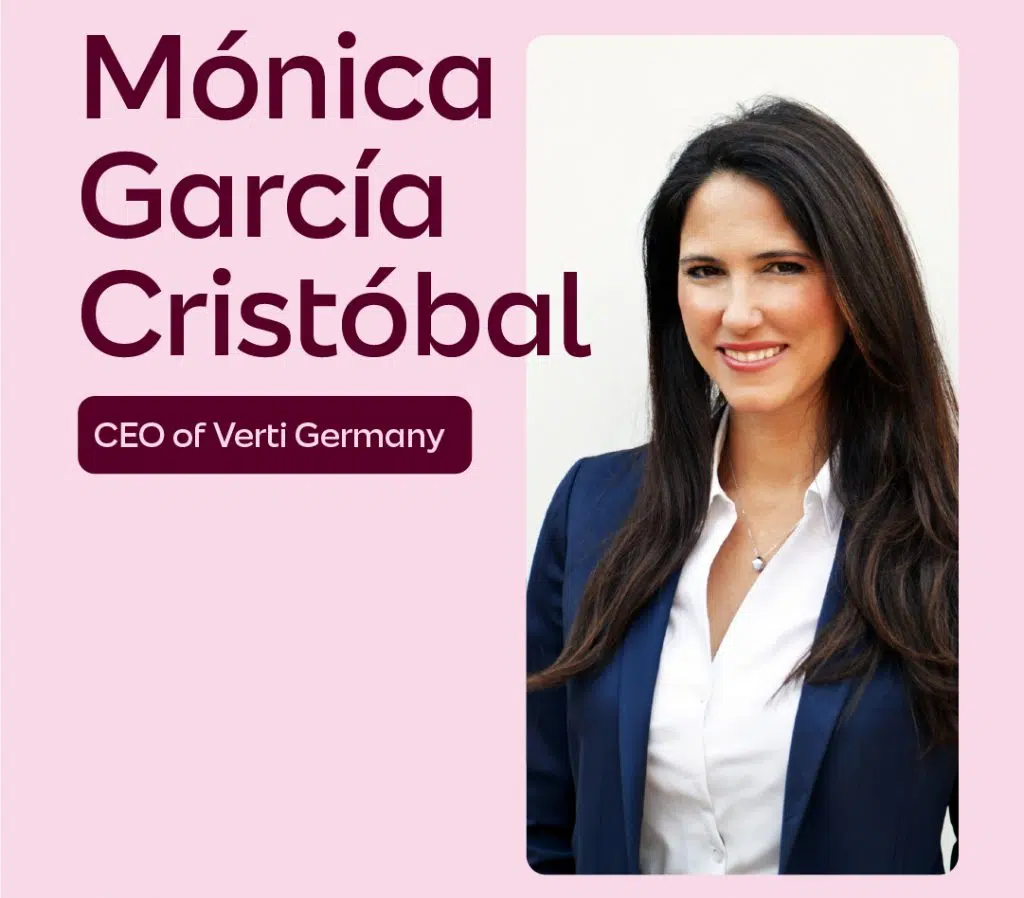
Although progress has been made in recent years in women’s presence and participation in the business world, there is still considerable room for improvement across all sectors. Mónica García Cristóbal, CEO of Verti Germany since January 2024, believes it has always been essential to work in companies that foster a culture of collaboration—“one in which people, regardless of gender, have the same opportunities to take on responsibilities, grow professionally, and shape their own career paths.” At the company she leads, women hold half of all management positions, “which shows that diversity doesn’t happen by chance; it’s the result of a firm commitment that recognizes equality as a key factor for success.”
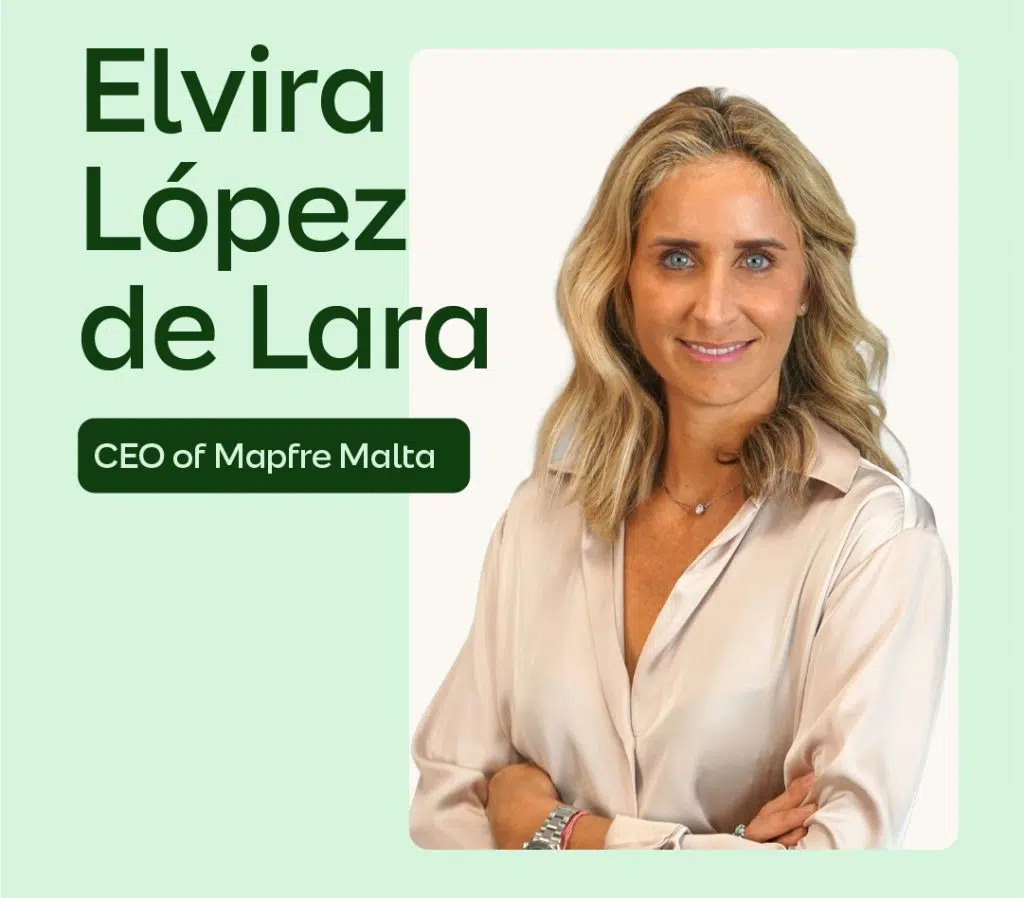
“Equality is strengthened through meritocracy, talent development, genuine flexibility, and leaders who believe in each person’s potential. All of this must move forward more quickly if we want equality to be both effective and lasting. When an organization trusts its people, anything is possible.” Her view is shared by Elvira López de Lara, CEO of Mapfre in Malta, who advocates for “a more collaborative and human style of leadership in the coming years” and believes that “when one woman succeeds, she inspires many others.”
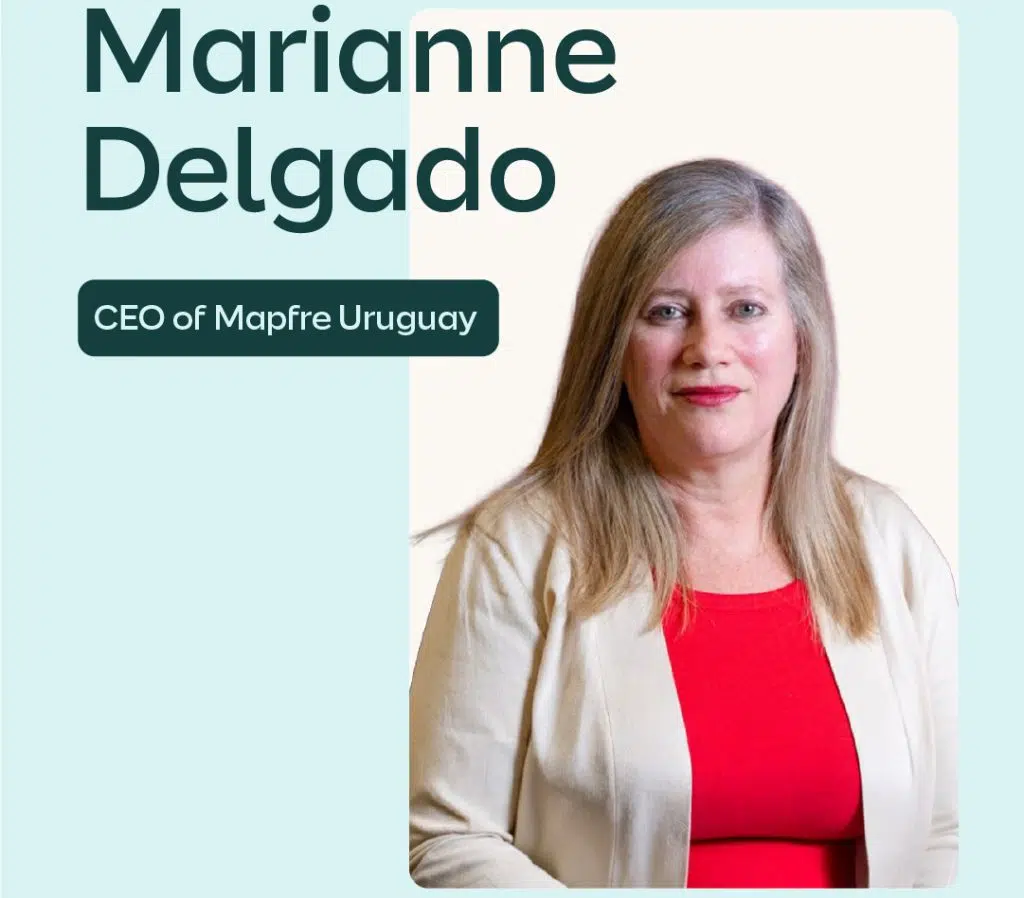
Creating an inclusive environment where everyone can contribute their full value is one of the guiding principles of Marianne Delgado, CEO of Mapfre in Uruguay. She notes that working with diverse teams has taught her to listen to different perspectives and make more balanced decisions, something that undoubtedly strengthens innovation and improves results. The company’s most senior executive in Uruguay, who has spent 33 years with the organization, continues to prioritize “listening, talent development, and collaboration, combining the experience gained over the years with a flexible, people-centered perspective.”
More than half of promotions
Mapfre is fully committed to equal opportunity and to advancing female talent, a conviction that has guided the company for decades and that today is reflected in concrete actions, figures, and measurable results across the nearly 40 countries where it operates. This is the view of Juan Carlos Rondeau, General Manager of the Corporate People and Organization Area at Mapfre, who emphasizes that “diversity, inclusion, and equality are commitments we stand behind, because they help build a fairer, more inclusive world.”
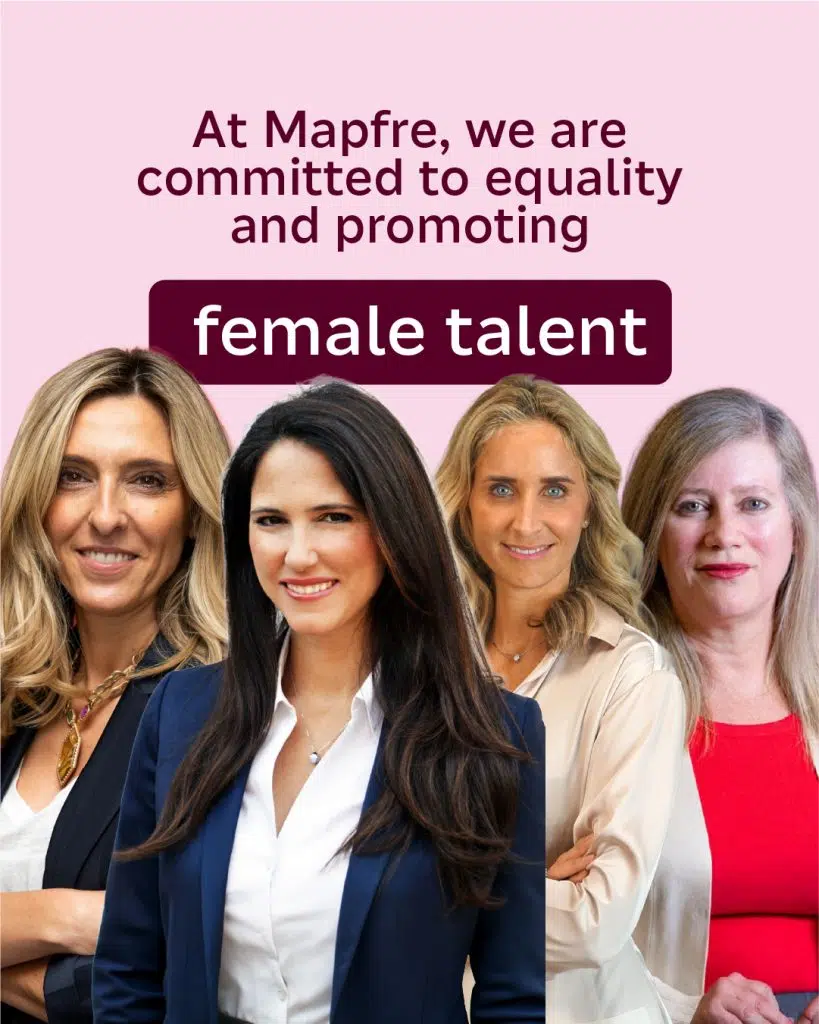
Of the company’s 30,846 employees worldwide, more than half (55.1%) are women. Female employees accounted for more than half of internal promotions (50.3%) and new hires (54.6%) in 2025. In addition, the Board of Directors includes seven women, representing 46.7% of its members; 43.1% of leadership positions are held by women; and women account for 35.4% of management roles—0.9 percentage points more than in 2024.
The company maintains that talent has no gender and that diversity enriches decision-making, drives innovation, and contributes to both social and business development. This approach translates into a global strategy that combines internal policies and development programs designed to recognize and reward effort and talent fairly and equitably, apply merit-based criteria, and remove any barriers that might prevent people—both women and men—from reaching their full potential.
The Group also acts as a true “Trojan horse” in breaking down cultural barriers and accelerating equality in contexts where gender gaps remain deeply entrenched. This international vision is supported by strategic plans and concrete objectives that are reviewed periodically—and which the company has consistently surpassed.
The company also promotes a range of internal and external initiatives, such as ClosinGap, an association that analyzes the main gender gaps. Among other findings, it reveals that inequality in retirement and savings between women and men in Spain has an annual economic impact of 28.5 billion euros, equivalent to 1.8% of GDP.