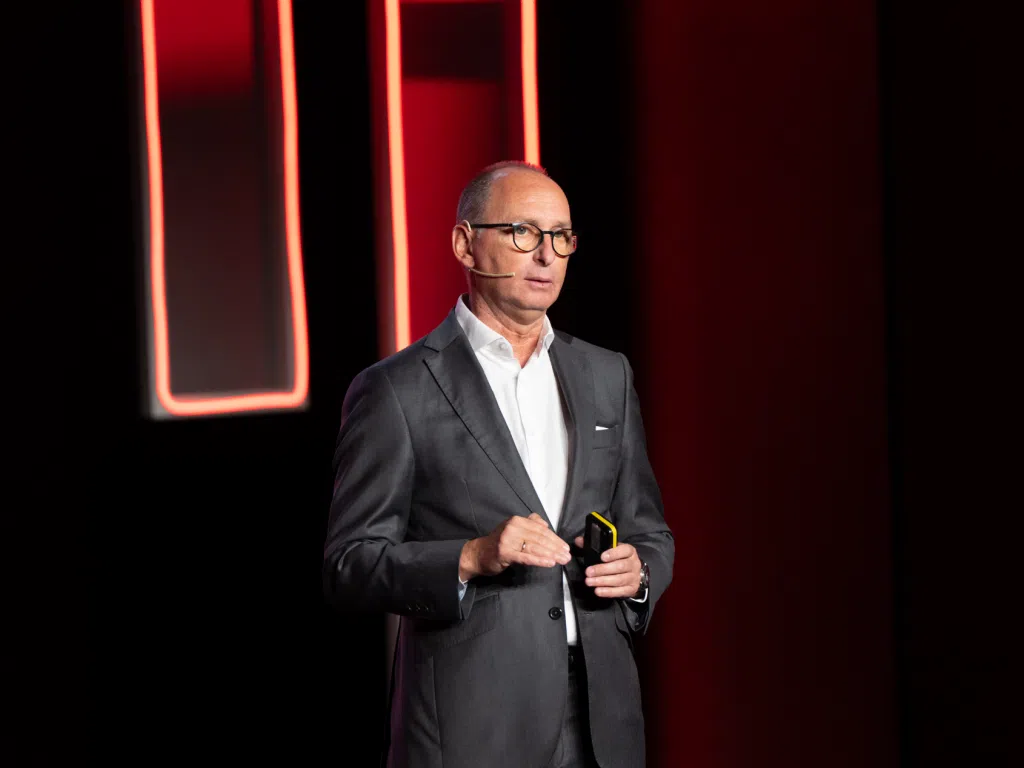
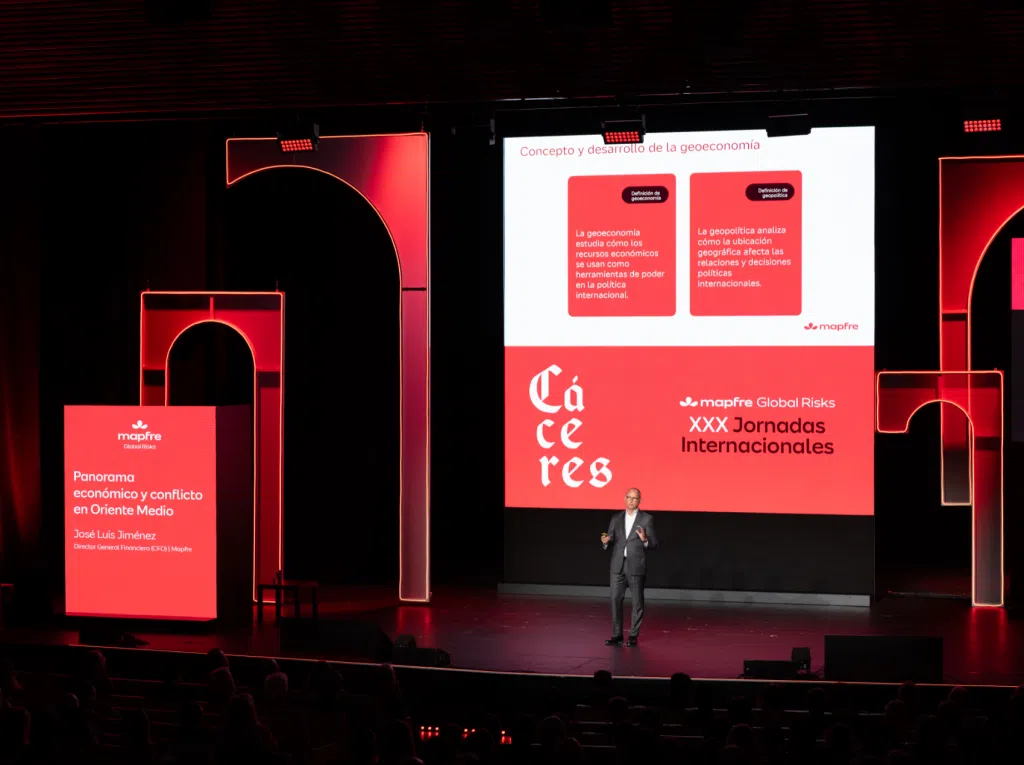
For years, the growing complexity of the global landscape has popularized the term geopolitics. But José Luis Jiménez, CFO of Mapfre, points instead to the concept of geoeconomics, which focuses on the resources and economic needs of countries. “Ninety percent of conflicts have an economic motive behind them, and the other 10% are driven by a mix of power and money,” he says, referring to a maxim commonly taught to economists.
From the First Punic War, when Rome and Carthage fought over the island of Sicily – the breadbasket of Europe at the time – to the present day, when the conflict involving Iran, the United States, and Israel has centered on control of oil, history offers countless examples of the economic nature of conflict. This was pointed out by the CFO in his speech at the XXX Mapfre International Global Risks Seminar, Mapfre’s global risks unit, titled ‘Economic outlook and conflict in the Middle East.’
It is a pattern that repeats itself, even if it takes on new forms. In an era of globalization and digitalization, competition is no longer limited to territory or precious metals. It now extends to energy, critical minerals, technology, and logistics infrastructure. The struggle to secure access to and control over these assets explains much of the tension shaping today’s world.
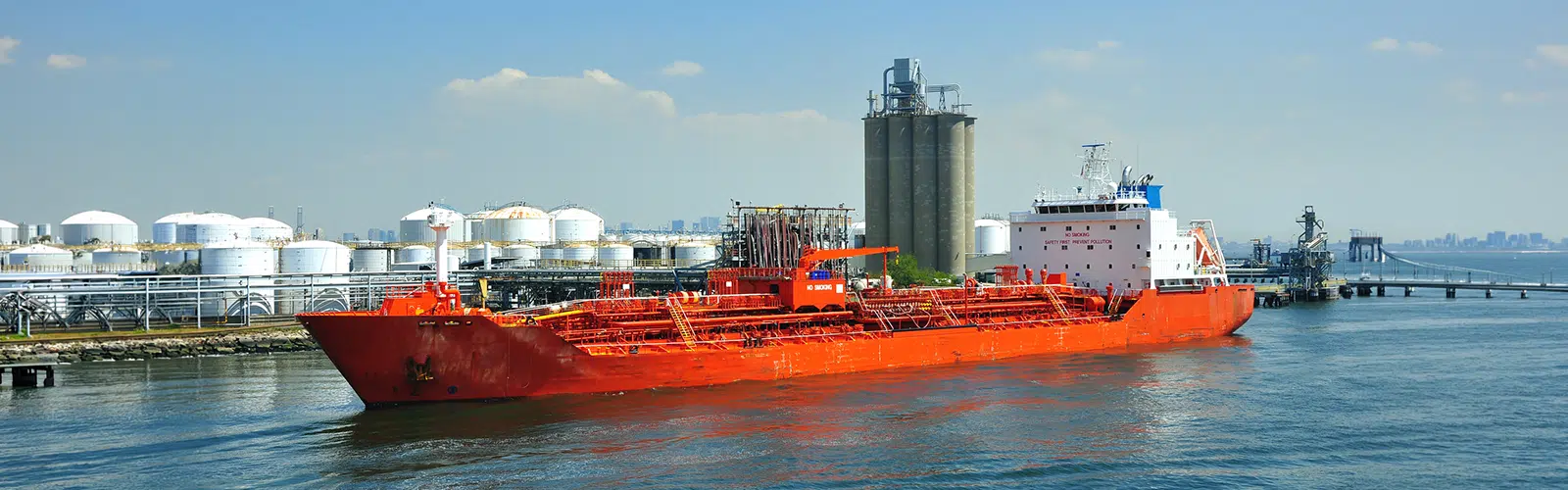
While these conflicts often appear to be driven by ideological or political motives – which in many cases serve as the trigger – the Mapfre executive’s argument invites us to look beyond the surface. The situation in the Middle East is a clear example of this logic. While religious factors may appear at first glance to be the main source of the region’s instability, beneath the surface lies the struggle for control of energy resources. In a world that still relies heavily on fossil fuels, the Persian Gulf remains strategically vital as one of the world’s largest centers of oil and natural gas production, supplying energy around the globe.
Wars today have global consequences
Today’s conflicts closely resemble those of the past in their causes, but they differ significantly in their consequences. The economic impact is now far more widespread, reflecting the nature of a hyperconnected global economy in which resources are consumed far from where they are produced, traveling thousands of miles through complex supply chains.
José Luis Jiménez warns of the domino effect that any disruption can have within this global system, particularly on supply chains. In this context, a crisis in a producing region can drive up energy prices in Europe, slow industrial activity in Asia, and trigger massive losses in financial markets within just a few hours. Wars are no longer distant events; they have become shocks to the global economy.
Beyond their most tangible and immediate impact, wars leave a lasting mark by increasing uncertainty – an abstract factor with profound long-term consequences. When confidence in the economy declines, costs rise and decision-making becomes more complex, forcing governments, companies, and investors to rethink their strategies.
Faced with these vulnerabilities, which are exposed by events such as the blockage of the Strait of Hormuz, a critical chokepoint in global trade, stakeholders compete to secure their future. Here too, we can see parallels with the past, although today the dynamics are more complex: countries compete for resources, but above all, they compete to ensure secure access to them.
For the executive, this explains the growing investment in alternative infrastructure, such as pipelines and parallel trade routes, as well as the push to diversify energy suppliers. However, these strategies require time and significant investment. As a result, reducing dependencies in the short term is difficult, leaving economies exposed to these types of risks.
Nevertheless, he also highlighted the importance of not focusing solely on the short term and of recognizing the many positive developments that demonstrate the progress achieved. History continues to repeat itself, and today’s pessimism is similar to that seen around 1930, according to historical accounts. The reality is that over the past 100 years, global real income has increased sevenfold, infant mortality has fallen from 34% to 4%, and literacy rates have risen from 32% to 90%.
As long as the global economy remains heavily dependent on resources concentrated in certain regions, the risk of conflict will continue to exist. However, this increasingly fragmented landscape also calls on economic actors to anticipate and prepare for these challenges – a message José Luis Jiménez conveyed with optimism about the future, emphasizing societies’ ability to adapt and continue making progress.
You can watch the full intervention of José Luis Jiménez, Corporate Financial Officer of Mapfre, at this link.