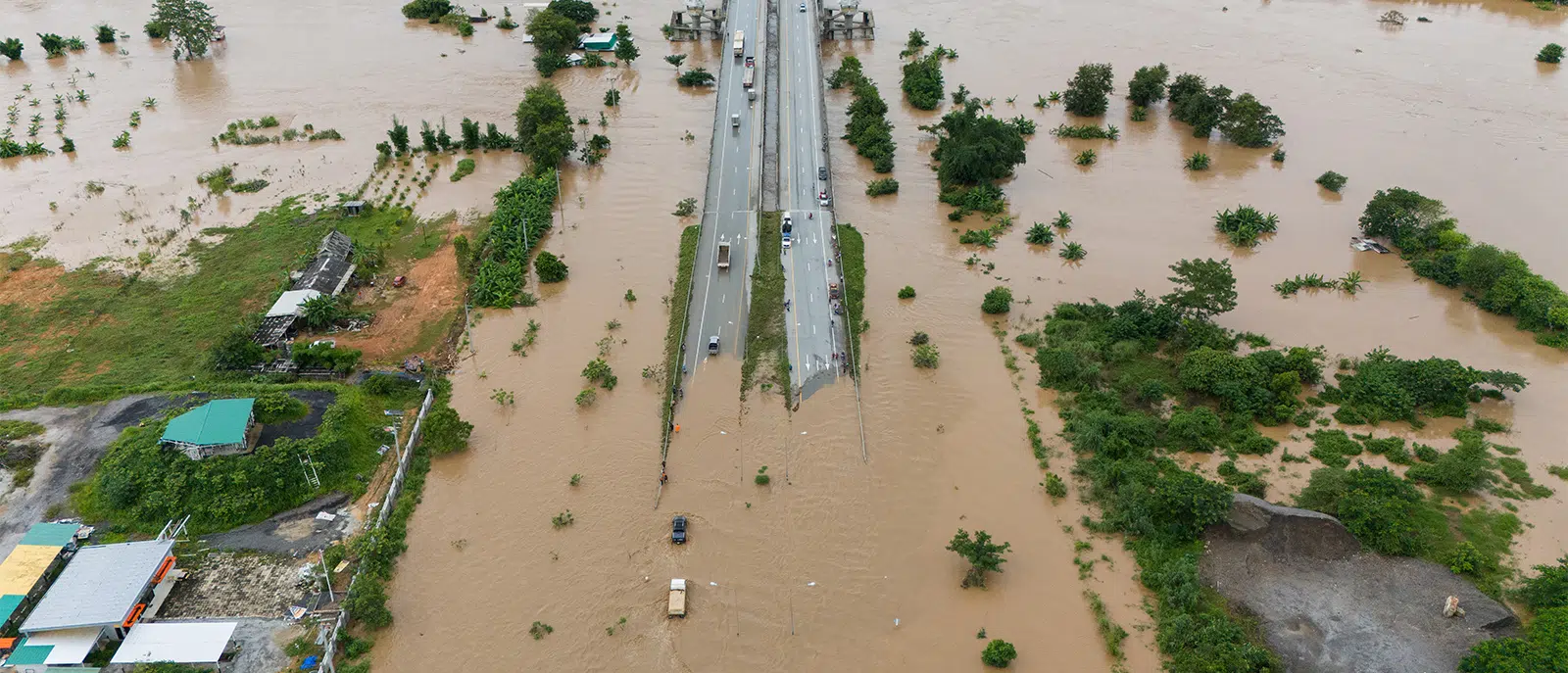
For decades, biodiversity has been considered a matter reserved almost exclusively to the field of environmental conservation. However, that approach has changed radically and today occupies a priority place on the agendas of European financial supervisors, who are scrutinizing how the degradation of nature can alter the value of investments and increase the cost of insured claims.
Through European Directive 2025/2, which revised the Solvency II framework, the European Insurance and Occupational Pensions Authority (EIOPA) was entrusted with a very specific task: analyzing to what extent companies evaluate their exposure to these types of contingencies. The resulting report, published on June 30, 2025, marks the first official assessment by European supervisory authorities of how the sector manages these risks. The Solvency II framework already requires insurance companies to integrate sustainability risks, including biodiversity, into their governance and their internal risk assessment. The document also outlines some of the practices currently used across the sector as a diagnostic tool to help companies better understand the risk.
The starting point of the document leaves no room for doubt, stating that if ecological deterioration continues to advance, the economic consequences could be severe, even threatening the stability of the global financial system. This issue directly affects asset valuations while also influencing the frequency and severity of claims across the market.
More than half of global GDP depends on natural resources. In addition, water-related problems could reduce global GDP by 7% to 9%, with the manufacturing industry particularly hard hit. In agriculture, 14% to 18% of production could be at risk due to water-related issues, while pollinator decline could put up to 12% at risk. For its part, the World Economic Forum places this deterioration among the main threats to the economy over a ten-year horizon.
A clear impact on both assets and liabilities
In its analysis of assets, EIOPA found that nearly 30% of direct investments in corporate bonds and equities are highly dependent on water or other ecosystem resources. However, these figures should be interpreted with caution. While high dependency indicates vulnerability, the actual impact on capital varies depending on the measures taken by each company.
On the liability side, environmental changes affect several types of coverage offered by insurance companies. The loss of wetlands, for example, reduces natural protection against disasters, increasing claims for property damage and business interruption. Similarly, soil degradation affects crop insurance performance, while declining pollinator populations reduce the productivity of insured crops. Rising zoonotic disease rates affect health-related lines of business, while water pollution leads to environmental responsibility claims. An analysis by the Sustainable Insurance Forum indicates that seven economic sectors, responsible for nearly 10% of global property and casualty insurance premiums, could face significant disruptions if these risks worsen. Conversely, nature acts as an effective shield: forest diversity slows the spread of wildfires, while marshes help absorb the force of storms.
Early-stage measurement and the industry’s response
Quantifying these phenomena, however, remains a challenge. A review of more than 700 internal assessments for 2023 revealed that only one in five companies mentioned biodiversity, with the proportion doubling among larger firms. When this analysis is undertaken, it is generally based on qualitative assessments, with purely quantitative models being rare. Most companies consider biodiversity an important but emerging risk that is difficult to translate into tangible financial impacts. The biggest obstacles lie in the scarcity of standardized data and in the territorial complexity of a problem linked to climate change. Such scarcity also restricts the overall view of the industry’s exposure in underwriting.
Despite these limitations, EIOPA highlights the existence of pioneering methodologies in agriculture, real estate, and health. A clear example is that of the Dutch insurance company a.s.r., which calculated that 16.5% of its property and casualty business is located near Natura 2000 sites, estimating that 3% of its corporate clients have a significant impact on the environment. Among the measures identified by EIOPA are sectoral or geographic exclusions and the financing of nature-based solutions.
At the regulatory level, the EU Biodiversity Strategy aims to provide legal protection to 30% of European territory by 2030, while the Nature Restoration Law requires restoration measures to be implemented across 20% of these areas. Following the report, EIOPA plans to develop targeted training programs for both supervisors and the industry.
In the private sector, notable initiatives include that of Mapfre, which approved its Corporate Natural Capital Framework in 2025. The company offset 45,136 metric tons of carbon dioxide through forestry and clean energy projects, covering 84% of its operational carbon footprint. These initiatives are selected based on their ability to prevent flooding and wildfires, as well as their positive impact on pollinators. In addition, the company’s volunteer activities recorded 3,532 participations across 207 events in 23 countries, resulting in the planting of 5,877 trees and the removal of 7,857 kilograms of waste from natural environments.