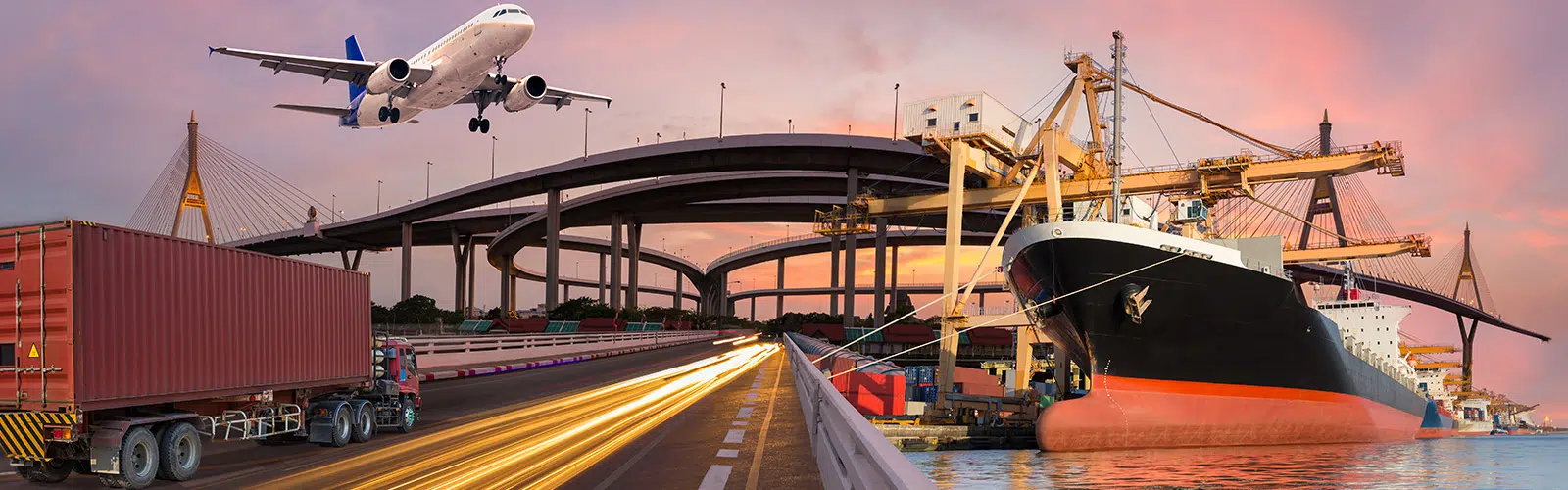
In today’s economic landscape, boldness and innovation are two of the main engines of growth, but no one moves forward without watching their step. Behind the skyscraper that pushes the limits of height, the highway that links cities, and the cargo ship crossing the ocean laden with goods, there is a safety net that bears the weight of the future: insurance. It is more than protection; it is the runway that allows companies to aim higher.
Insurance goes far beyond covering a risk. It also injects stability into the very heart of society and business. By turning uncertainty into confidence, insurance becomes the engine that keeps the global economy moving.
Holding steady in turbulent times
Ricardo González García, Director of Analysis, Sectorial Research and Regulation at Mapfre Economics, puts it this way: “By pooling risks, insurance provides the confidence needed to keep the economy and investment from grinding to a halt, despite the sheer density of global risks.”
Beyond its protective role, insurance also plays an essential part as a long-term institutional investor. “Through the assets it manages, the industry helps finance productive activities, infrastructure, business ventures, and public services, channeling savings into the real economy. In this way, in addition to providing stability in the face of risk, it helps drive economic growth and acts as a stabilizing force for the economic system as a whole,” González adds.
In its report “Economic and Industry Outlook 2026: Perspectives for the Second Half”, Mapfre’s research service forecasts that the global economy will grow 3% this year and edge up slightly to 3.1% next year. Prices will remain under close scrutiny, with inflation projected at 3.8% for 2026, easing to 3.1% in 2027.
“One of the key takeaways from the report is that global macroeconomic stability depends less on resolving the conflicts themselves than on the ability to contain existing tensions and keep risks under control,” the Mapfre Economics expert adds.
Key sectors where insurance builds confidence
Against this backdrop, insurance acts as a vast global shock absorber. Let’s look at some of the strategic activities where the industry does the most to foster peace of mind and economic resilience.
- Major construction and infrastructure projects
Large-scale construction and urban development require enormous financial muscle, and that capital simply would not move without proper risk mitigation and robust coverage that inspires confidence.
This is where property damage insurance, liability insurance, and builder’s risk policies come into play. They ensure that monumental projects, such as rail networks, highways, renewable energy plants, and large buildings, are carried through to completion rather than brought to a standstill by weather events, technical failures, or workplace accidents.
Beyond its traditional role of providing coverage, the insurance industry also operates as an institutional investor, channeling its resources into financing assets such as schools, hospitals, and the energy transition. In doing so, insurance closes a circle of confidence: it shields today’s economic activity from the unexpected while also driving the development of tomorrow’s assets.
- Global shipping and foreign trade
Moving goods around the world means facing constant challenges and threats, from theft to accidents. Cargo insurance is the lifeline that gives the logistics sector peace of mind and confidence, ensuring that the value of goods is protected from the moment they leave the warehouse until they reach their final destination. For customers, hiring a carrier that holds a policy is a hallmark of professionalism and reliability. Knowing there is insurance behind a shipment lets you breathe easier.
Export credit insurance is another key driver of confidence in foreign trade. Selling beyond your own borders means clearing customs, dealing with unfamiliar customers, and navigating different legal systems. Without this coverage, fear of nonpayment would bring commercial transactions to a halt.
Ultimately, insurance is the bridge that allows companies to export without borders, with the peace of mind of knowing that their finances and their products are protected.
- Cybersecurity and technology
Today, digitalization moves at the speed of light. It brings incredible advantages, but it also exposes organizations to potentially devastating threats. A cyberattack is a very real risk for any business.
In this environment, cyber insurance has become an indispensable tool. It does more than step in once the damage is done: it also covers critical exposures such as data loss (protecting confidential customer and company information), cyber extortion, and business interruption, absorbing the financial losses if technology or service operations have to shut down because of a hack.
In these situations, the insurance industry provides the security companies need to keep innovating and keep the economy flowing.
The confidence that powers tomorrow
In short, insurance is the engine that drives economic development, turning uncertainty into confidence. In Spain and Latin America alike, the industry is key to getting major infrastructure projects off the ground and to sustaining the movement of goods, international trade, and the adoption of new technologies. Put simply, it keeps the economy moving forward on solid footing.
In this landscape, Mapfre champions this commitment as a global insurer with a presence on five continents. Its experience and international outlook make it the ideal partner for protecting industries’ day-to-day operations and securing their future anywhere in the world.